Number Tracing Worksheets 1-10: Graphics for Kdp Interiors
As a brand designer who’s built visual systems for preschool educators, Montessori publishers, and lifestyle-focused digital product creators, I recently reviewed Number Tracing Worksheets 1-10 with a very specific question in mind: *Can this graphic design asset strengthen a brand’s voice while delivering functional value?*
My test case was real—a small business launching “Little Learners Kits,” a subscription box for early numeracy development. We needed cohesive, on-brand visuals across Pinterest pins, printable lead magnets, Instagram carousel slides, and packaging inserts. The first impression of Number Tracing Worksheets 1-10 was immediate: clean, intentional, and quietly confident—not flashy, but deeply purposeful. It evokes warmth and structure, landing somewhere between playful education and thoughtful craftsmanship. That duality makes it ideal for brands that balance learning with lifestyle—think handmade parenting blogs, boutique educational publishers, or wellness-aligned early childhood coaches.
A Graphic Design Asset That Supports Brand Identity—Not Overwhelms It
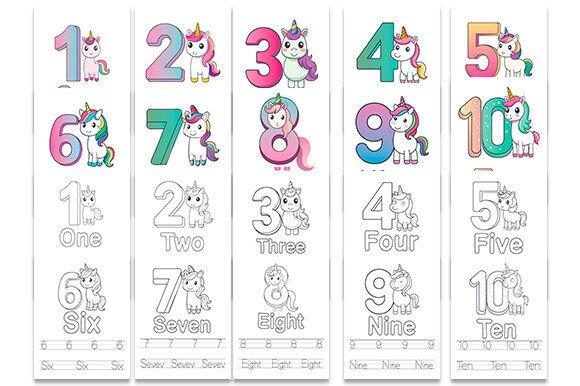
This isn’t clipart masquerading as branding. The 20-page set includes vector-based SVG files, print-ready CMYK PDFs, and high-resolution JPEGs at 300 DPI—meaning it functions seamlessly across packaging design, product labels, and digital ads. I dropped the number “5” tracing outline into a mockup of a kraft-box insert and paired it with a soft sage green and warm cream palette. Instant cohesion. The strokes are consistent, the spacing generous, and the baseline alignment precise—critical for maintaining visual hierarchy when layered with typography or photography.
In logo design contexts, it wouldn’t serve as a primary mark—but as a supporting illustration element? Exceptional. Imagine it subtly embedded in a corner of a Canva template for a free “Counting Calendar” download, or scaled down as a decorative motif on a blog header. Its versatility shines in editorial design and content marketing: use one worksheet as a full-width hero graphic for a newsletter banner; crop a single number to anchor a social media post about developmental milestones.
Where It Elevates Marketing Visuals—And Where to Pause
Number Tracing Worksheets 1-10 performs strongest where clarity, calm, and child-centered authenticity matter. On Pinterest, its clean lines and ample white space stop scrollers—especially against textured backgrounds like linen or watercolor washes. For Facebook ads targeting parents of toddlers, it signals intentionality and pedagogical care far more effectively than generic stock illustrations.
It also integrates beautifully into printable design bundles: pair it with matching alphabet tracing sheets or color-by-number pages to build a premium design bundle for Etsy or Creative Market. As part of a digital product launch, it adds tangible value—parents don’t just get a PDF; they get editable AI files they can customize for their classroom or therapy practice.
That said, use it carefully in formal corporate branding or dense text-heavy ads. Its gentle rhythm doesn’t compete well with bold headlines or complex data. Avoid placing it over low-contrast backgrounds (e.g., light gray on off-white), and never shrink it below 18mm width in print—it loses stroke integrity. And while it pairs elegantly with serif fonts (think Playfair Display) and friendly sans serifs (Poppins, Nunito), it clashes with tight script fonts or aggressive display type—test spacing rigorously before finalizing layouts.
Real Brand Designer Notes You’ll Actually Use
- Test it with your brand color palette—the CMYK files render richly, but preview how the black outlines hold up against your primary accent tones.
- Check black-and-white usage—these worksheets were designed for crisp monochrome printing, making them perfect for budget-conscious small business branding.
- Place it inside real campaign mockups, not just isolated previews. I used it in a Mailchimp email banner and a Shopify product page sidebar—both passed the “3-second clarity test.”
- Preview on mobile screens: the SVG files scale flawlessly, but JPEGs must be optimized. At 750px width, readability stays strong.
- Compare against competitor visuals: most early-learning assets lean either cartoonish or sterile. This strikes a rare middle ground—modern design with emotional resonance.
- Confirm commercial license before using in client work or paid campaigns—this is a commercial design asset, but always verify scope (e.g., resale in physical products vs. SaaS dashboards).
Why This Is More Than Just a Printable Design
Number Tracing Worksheets 1-10 supports deeper marketing goals: it builds audience trust through visual consistency, strengthens product presentation with professional-grade assets, and reinforces emotional connection by honoring the quiet dignity of early learning. When parents see these worksheets in your Instagram Stories or printed on a thank-you card inside a subscription box, they subconsciously register your brand as both capable and caring.
For creative entrepreneurs building digital product libraries—or bloggers expanding into printable promotions—this set delivers scalable value. It works as standalone marketing visuals, as layered elements in web design, or as foundational pieces in a broader brand identity system. In the creative marketplace, where attention is fragmented and professionalism is non-negotiable, having a versatile, technically sound graphic design asset like this isn’t optional—it’s infrastructure.
If your brand speaks to mindful growth, intentional learning, or nurturing creativity, Number Tracing Worksheets 1-10 won’t shout—but it will resonate. And in today’s saturated content landscape, resonance is what converts, retains, and endures.